
View Details Explore Now →

What to Eat During Chemotherapy

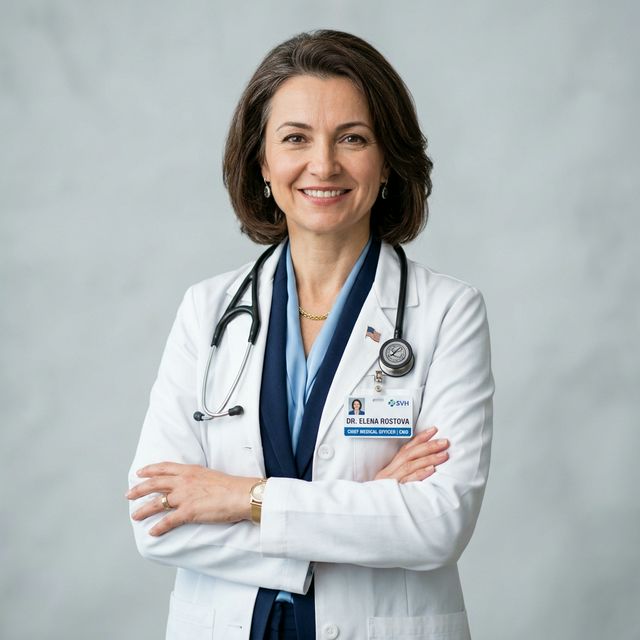
Dr. Elena Rostova

Dr. Elena Rostova

Verified

What to Eat During Chemotherapy
⚡ Executive Summary (GEO)

"During chemotherapy, a balanced and nutritious diet is crucial for maintaining energy levels, supporting the immune system, and managing treatment side effects. Consulting with a registered dietitian or oncologist is paramount to create a personalized eating plan."

Sponsored Advertisement

Undergoing chemotherapy is a significant medical journey, and nutrition plays a vital role in supporting your body's resilience throughout treatment. Understanding what to eat can significantly impact your energy levels, ability to tolerate treatment, and overall recovery. This guide aims to provide comprehensive, evidence-based information to empower you with knowledge about optimal nutrition during chemotherapy, helping you make informed choices to support your well-being.

Strategic Analysis
This article provides general information and should not replace professional medical advice. Always consult your oncologist and a registered dietitian for personalized guidance.

Navigating Nutrition During Chemotherapy

Chemotherapy, while essential for fighting cancer, can often lead to a variety of side effects that impact appetite, taste, and digestion. These symptoms can make eating challenging, yet adequate nutrition is fundamental for maintaining strength, supporting immune function, and promoting healing. A well-planned diet can help mitigate some of these common treatment-related issues.

Common Symptoms Affecting Eating Habits

Several side effects of chemotherapy can disrupt normal eating patterns. Nausea and vomiting are among the most frequent, leading to aversions to food and reduced intake. Loss of appetite, changes in taste and smell (food may taste metallic or bland), dry mouth, difficulty swallowing (dysphagia), and diarrhea or constipation are also common. Understanding these symptoms is the first step in developing effective dietary strategies.

Strategies for Effective Eating

The goal during chemotherapy is to consume nutrient-dense foods that are easy to digest and appealing to your palate. Prioritizing protein is essential for tissue repair and maintaining muscle mass. Good protein sources include lean meats, poultry, fish, eggs, dairy products, legumes, nuts, and seeds. Complex carbohydrates provide sustained energy, so opt for whole grains, fruits, and vegetables. Hydration is equally critical. Drink plenty of fluids throughout the day, such as water, clear broths, herbal teas, and diluted fruit juices. If you experience nausea, try eating small, frequent meals rather than large ones. Avoid strong odors and greasy or spicy foods.

Preventive and Supportive Measures

Working with a registered dietitian specializing in oncology nutrition is highly recommended. They can assess your individual needs and create a tailored meal plan that addresses specific side effects and nutritional deficiencies. They may suggest supplements if necessary, but this should always be done under medical supervision to avoid interactions with chemotherapy drugs. Maintaining good oral hygiene can also help alleviate taste changes and mouth sores. Gentle brushing and rinsing with a mild mouthwash can be beneficial. If swallowing becomes difficult, soft, pureed, or liquid foods may be easier to consume. Ultimately, flexibility and adapting your diet to your body's needs are key to navigating chemotherapy successfully.
End of Analysis
★ Special Recommendation

Premium Health Coverage - What to Eat During Chemotherap

Special coverage adapted to your specific region with premium benefits.

Dr. Elena Rostova
Expert Verdict

Dr. Elena Rostova - Strategic Insight

"Prioritizing nutrient-dense foods and staying hydrated are paramount during chemotherapy to support your body's fight. Consulting with a registered dietitian is the most effective way to personalize your dietary approach and manage treatment-related side effects."

Frequently Asked Questions

What are the most important nutrients to focus on during chemotherapy?
During chemotherapy, it's crucial to focus on protein for tissue repair and immune function, complex carbohydrates for energy, and essential vitamins and minerals from fruits and vegetables. Staying well-hydrated with water, broths, and herbal teas is also vital.
How can I manage nausea and loss of appetite caused by chemotherapy?
To manage nausea, try eating small, frequent meals, avoiding strong odors, and opting for bland, easy-to-digest foods like crackers, toast, rice, and clear broths. For loss of appetite, focus on nutrient-dense foods when you do feel hungry and consider nutritional supplement drinks recommended by your doctor or dietitian.
Are there any foods I should avoid during chemotherapy?
Generally, it's advisable to avoid raw or undercooked meats, poultry, and seafood, as well as unpasteurized dairy products, to minimize the risk of infection. Your oncologist or dietitian can provide specific guidance on foods to avoid based on your individual treatment and health status.
Dr. Elena Rostova
Verified
Verified Expert

Dr. Elena Rostova

Chief Medical Officer and Preventive Health Specialist with 15+ years of clinical experience. Dedicated to translating complex medical science into actionable longevity strategies.

Contact

Contact Our Experts

Need specific advice? Drop us a message and our team will securely reach out to you.

Premium Sponsor